
Resource Center

The Transit Workforce Center is pleased to host a curated collection of publications and other materials to assist stakeholders engaged in transit workforce development. The Resource Center includes case studies, training materials, research reports, and other materials of interest, including publications produced by federal government agencies, transit organizations, and independent research entities. Resources may be filtered by topic, resource type, and transit mode. This TWC blog post explains how to use the Resource Center.

We are continuing to update the Resource Center regularly. Please contact us via the Request Help menu option if you would like assistance using the Resource Center or are looking for resources on a particular topic. We also welcome suggestions of topics or specific resources to add.

Content in external resources linked from the Resource Center is solely the responsibility of the resource authors and does not necessarily reflect the perspectives of or endorsement by the Transit Workforce Center.

Found 90 results for "mentor"

The Role of Mentorship in Registered Apprenticeship Programs

This E-learning module introduces how mentorship is essential to registered apprenticeship programs. Best practices for selecting, training, and supporting mentors are included to support registered apprenticeship program sponsors and participating employers.


Registered Apprenticeship Academy

January 2025

LEARN MORE

This E-learning module introduces how mentorship is essential to registered apprenticeship programs. Best practices for selecting, training, and supporting mentors are included to support registered apprenticeship program sponsors and participating employers. The objectives for this course are: 

  • Identify the responsibilities of sponsors to provide mentorship.
  • Describe the role of mentors.
  • Recognize why mentorship is important to a successful registered apprenticeship program.
  • Employ strategies for mentorship to create a culture of support and guidance for workers throughout their registered apprenticeship.

LEARN MORE
RESOURCE TYPE: , , | TRANSIT MODE:

The Seven Key Elements of All Registered Apprenticeship Programs

Registered Apprenticeship is an industry-driven pathway to high-quality careers where employers can develop and prepare their future workforce, and individuals can obtain paid work experience; progressive wage increases; classroom instruction; and a portable, nationally recognized credential. The U.S. Department of Labor recently updated the way we describe Registered Apprenticeship Programs to reflect the worker safety elements embedded in those programs.

Workforce GPS

January 2025

LEARN MORE

Registered Apprenticeship is an industry-driven pathway to high-quality careers where employers can develop and prepare their future workforce, and individuals can obtain paid work experience; progressive wage increases; classroom instruction; and a portable, nationally recognized credential. The U.S. Department of Labor recently updated the way we describe Registered Apprenticeship Programs to reflect the worker safety elements embedded in those programs.

LEARN MORE

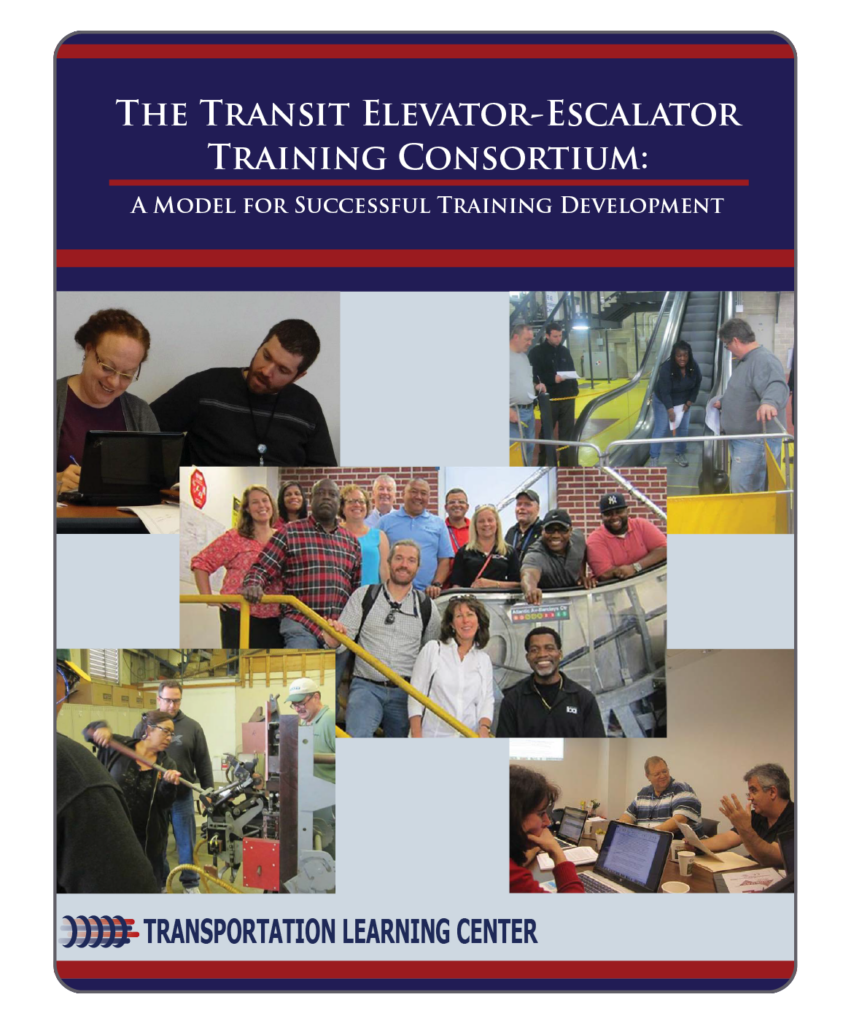
The Transit Elevator-Escalator Training Consortium: A Model for Successful Training Development

A report on the process, products and outcomes related to the first National consortium for development of training for public transportation maintenance employees. This joint labor-management effort set a proven model for multiple other similar consortia. Products include – instruction ready courseware, a nationally recognized apprenticeship program for transit maintenance elevator/escalator maintainers and train-the-trainer program.

International Transportation Learning Center

September 2016

LEARN MORE
RESOURCE TYPE: | TRANSIT MODE:

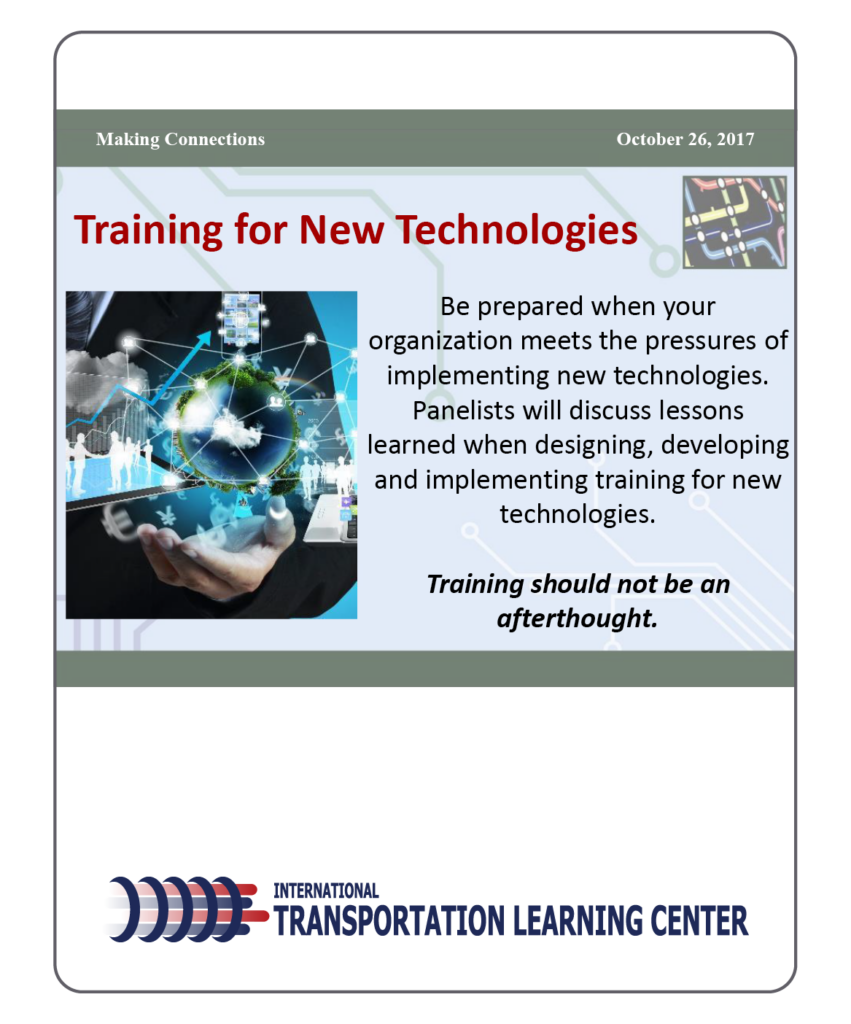
Training for New Technologies Workshop

This slide presentation is from the “Training for New Technologies” workshop held during the International Transportation Learning Center’s Making Connections conference held on October 26, 2017.

International Transportation Learning Center

LEARN MORE
RESOURCE TYPE: , | TRANSIT MODE:

Training Partnerships That Work: An Emerging National Network

Training Partnerships That Work provides vivid summaries of successful labor-management training partnerships at sites across the country. The cases included here represent unique training partnerships. Most importantly, they illustrate how labor and management can work together successfully on issues of training, and provide valuable lessons for other industries facing the problem of retiring baby boomers and inadequate capacity to train replacement workers.

International Transportation Learning Center

February 2010

LEARN MORE
RESOURCE TYPE: , | TRANSIT MODE:

Training Syllabus to Instruct/Prepare for the ASE Transit Bus Electrical/Electronics Test

This Recommended Practice provides guidelines for establishing a standardized bus maintenance training related to the ASE certification program syllabus for the electrical/electronics systems used in transit buses and coaches.

American Public Transportation Association

October 2016

LEARN MORE
RESOURCE TYPE: | TRANSIT MODE:

Transit Maintenance Mentoring Guidebook

The purpose of this report is to serve as a guidebook, offering information that transit agencies can use to establish mentoring as a training method with guidance, suggestions, and examples to implement or expand upon existing mentoring programs. It is based on a generic mentoring guidebook developed by the USDOT, modified and enhanced to reflect transit maintenance applications.

International Transportation Learning Center

November 2012

LEARN MORE
RESOURCE TYPE: | TRANSIT MODE:

Upskilling Frontline Workers: Three Strategies to Future-Proof your Workforce

This report outlines next practices in upskilling, including internal training, apprenticeship, and tuition assistance that will help your organization to be more productive and resilient for the future.

UpSkill America & Institute for Corporate Productivity (i4cp)

LEARN MORE

The rapid advancement and proliferation of technology increases the need for accelerated and continuous workforce development. Prioritizing the upskilling of frontline workers requires a variety of educational programs, and there is no single answer to the upskilling challenge. Still, UpSkill America and the Institute for Corporate Productivity (i4cp) created this report of best practices that can help any organization become more productive and resilient via a skilled workforce.

Read the brief to learn more about next practices in upskilling, including internal training, apprenticeship, and tuition assistance that will help any organization to be more productive and resilient for the future.

LEARN MORE